
Heads up: we may earn a commission when you buy through links on this page, at no extra cost to you. As an Amazon Associate we earn from qualifying purchases. How we make money
Short on time? Our top pick is Acer Predator Helios Neo 16S, ASUS Vivobook S 14 OLED takes Best Portable Pick, while MSI Thin Gaming Laptop takes Best Entry RTX Pick.
- Best Overall Acer Predator Helios Neo 16S Check price
- Best Portable Pick ASUS Vivobook S 14 OLED Check price
- Best Entry RTX Pick MSI Thin Gaming Laptop Check price
Shopping on Amazon? Get it faster with Prime
Free fast delivery on eligible items above, Prime-only deals and Prime Video. New members can try it free for 30 days and cancel anytime.
The best student laptop for video editing needs enough memory for long timelines and a screen you can trust for color. This guide is for film, media and design students who cut projects at night and take notes by day. Every pick here has 32GB of RAM and at least a 1TB SSD.
We weighed graphics, display coverage, storage and carry weight from each laptop's own specs. Two picks add an NVIDIA RTX card, while the rest rely on Intel Core Ultra chips with integrated graphics. We checked each Amazon listing on October 27, 2026 and used only the specs the maker or seller lists. We do not list exact prices because Amazon prices change in real time. Use the buttons to see the current price and availability on Amazon before you buy. Scores are our editorial scores out of 10, not Amazon customer ratings.
Student Video Editing Laptops at a Glance
| Award | Laptop | Key Spec | Why It Fits | Score |
|---|---|---|---|---|
| Best Overall | Acer Predator Helios Neo 16S | RTX 5060, 32GB DDR5 | Pairs the strongest GPU here with a 240Hz OLED and 32GB of DDR5 for faster exports. | 9.4/10 |
| Best Portable Pick | ASUS Vivobook S 14 OLED | 2.9 pounds, 2TB | The lightest pick at 2.9 pounds, with the largest storage here at 2TB. | 9.1/10 |
| Best Entry RTX Pick | MSI Thin Gaming Laptop | RTX 4060, 32GB | An RTX 4060, 32GB of RAM and a 1TB SSD cover student edits at a desk. | 8.8/10 |
| Best Stylus Pick | Acer Swift Go 16 | 16-inch OLED touch | A 16-inch OLED touch screen with 100% DCI-P3 and a stylus for notes and markup. | 8.5/10 |
| Best Study and Edit Combo | Acer Swift 16 | Core Ultra 7 355 | Light at 3 pounds, with a 16-inch OLED, Wi-Fi 7 and two Thunderbolt 4 ports. | 8.2/10 |
| Best Spill-Resistant Pick | Lenovo ThinkPad L16 | 32GB, anti-glare touch | A 400-nit anti-glare touchscreen and a spill resistant build suit long note sessions. | 7.9/10 |

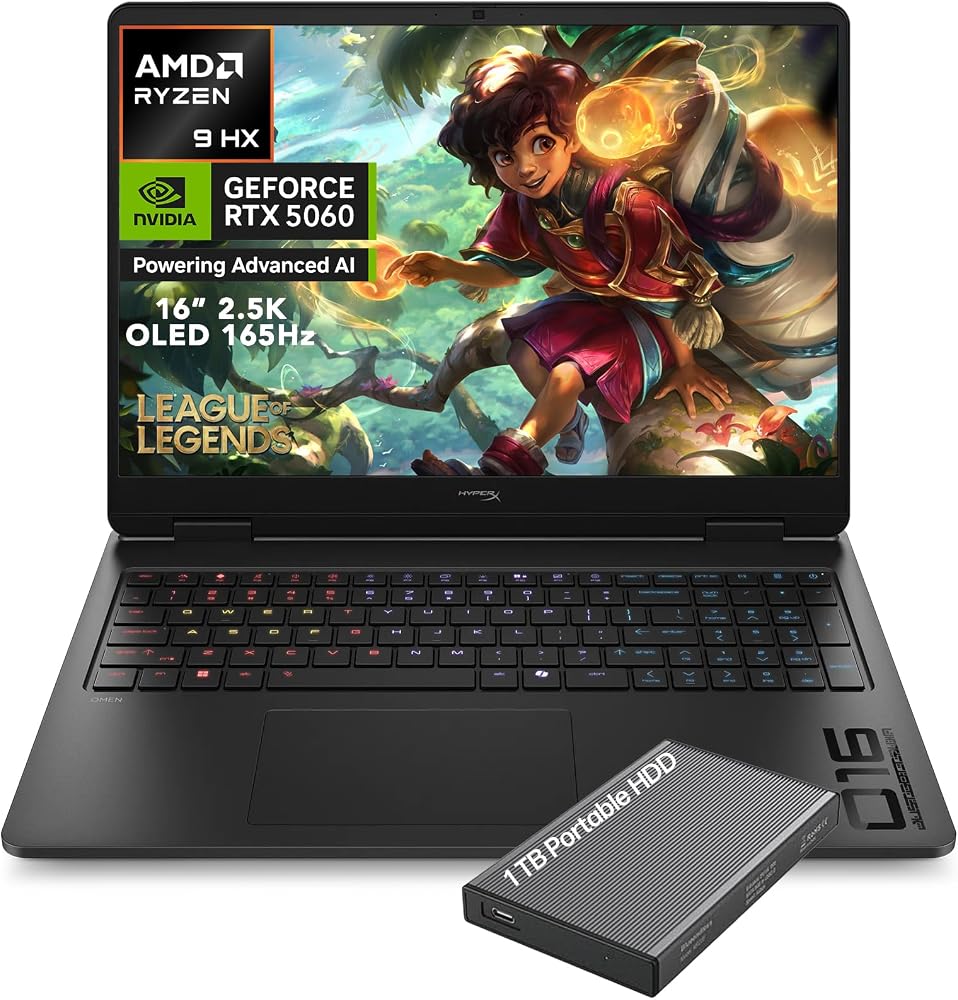
Acer Predator Helios Neo 16S Gaming Laptop, 16’’ WQXGA 240HZ OLED, Intel 24-Core Ultra 9 275HX, RTX 5060 DLSS4, 32GB DDR5 1TB SSD
It suits film and media majors who render often and want 100% DCI-P3 color on a big panel. Thunderbolt 4 and an RJ45 port connect fast drives and wired networks. The trade-off is a 4.4-pound weight, so it is heavier in a bag than the Acer Swift Go 16.

ASUS Vivobook S 14 OLED Laptop, 14" FHD+, Ultra 7 258V, 32GB DDR5, 2TB SSD
It suits you if you edit between classes and want 100% DCI-P3 color in a 2.9-pound shell. The 75Wh battery is rated for up to 27 hours of use. The trade-off is integrated Intel Arc Graphics, so long renders take more patience.

MSI Thin 15.6" FHD Intel Core i5-13420H Gaming Laptop, NVIDIA GeForce RTX 4060 8GB Graphic, 32GB RAM 1TB PCIe SSD, 256gb 9H Docking Station
It suits you if you want an RTX card for exports and plan to edit mostly at a desk. Windows 11 Pro and an RJ45 port fit a wired dorm setup. The trade-off is a 1920 x 1080 resolution, which looks less sharp than the top pick's screen.

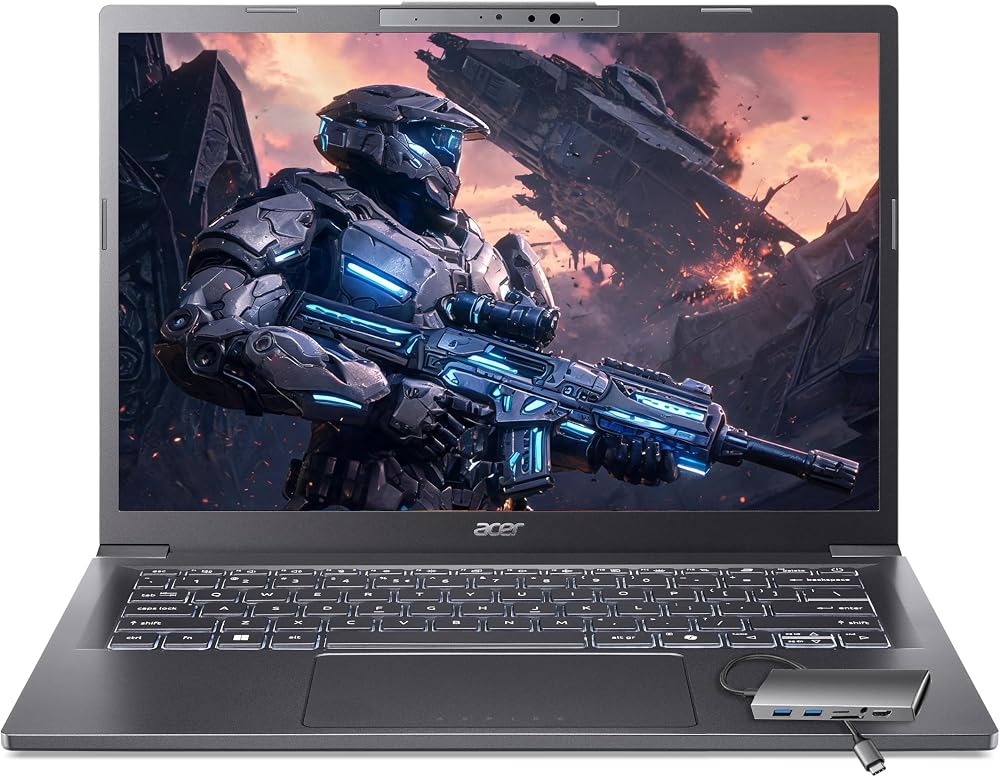
Acer Swift Go 16 + PC Laptop, 16" 2K OLED Touchscreen, Intel 8-core Ultra 7 355(>Ultra 9 288V), 32GB LPDDR5X, 1TB SSD, Backlit KB, Wi-Fi7
It suits design and media students who sketch, mark up storyboards and trim clips on one screen. The 100% DCI-P3 panel and included stylus make color checks and notes easy. The trade-off is integrated Intel graphics, so effects-heavy projects export more slowly.

Acer Swift 16 Laptop 16" 2k WUXGA OLED Touch Intel 8-core Ultra 7 355 (>Ultra 9 288V Up to 49 Tops) 32GB RAM 1TB SSD Backlit Thunderbolt fo
It suits you if you want a big OLED for editing that still weighs only 3 pounds. Windows 11 Pro, a 5M IR camera and Windows Hello login cover class and group calls. The trade-off is resolution, since 1920 x 1200 on 16 inches looks softer than the Helios Neo 16S panel.

Lenovo ThinkPad L16 Business PC Laptop (16" FHD+ Touchscreen, Intel Ultra 5 225U (> Ultra 7 155U), 32GB DDR5, 1TB SSD), Premium E16
It suits students who edit lightly, write a lot and want a numeric keypad and a spill resistant build. The 400-nit anti-glare screen stays readable under lecture hall lights. The trade-off is a U-series chip with integrated graphics, aimed more at office work than heavy timelines.
In-Depth Reviews
1. How Much RAM Do Student Video Editors Need?
Editing apps keep preview files, effects and audio in memory while you scrub a timeline. Every pick here has 32GB of RAM, which leaves room for an editor, a browser and class apps at once.
Storage matters just as much, since raw footage piles up fast. The ASUS Vivobook S 14 OLED offers the largest storage here at 2TB, while the rest each ship with a 1TB SSD.
2. Is an RTX Card or an OLED Screen More Important for Editing?
An RTX card speeds up GPU effects and exports in many editing apps. The Acer Predator Helios Neo 16S has the strongest GPU in this guide, an RTX 5060, plus a 2560 x 1600 OLED.
If color grading for class projects matters more, look closely at panel coverage. The ASUS Vivobook S 14 OLED and the Acer Swift Go 16 each cover 100% DCI-P3, and both stay light for campus.
3. Acer Predator Helios Neo 16S: Best Overall
The Acer Predator Helios Neo 16S has a Core Ultra 9 275HX, 32GB DDR5, a 1TB SSD and an RTX 5060, with a 16-inch OLED. It suits film and media majors who render often and want 100% DCI-P3 color on a big panel. Thunderbolt 4 and an RJ45 port connect fast drives and wired networks. The trade-off is a 4.4-pound weight, so it is heavier in a bag than the Acer Swift Go 16.
4. ASUS Vivobook S 14 OLED: Best Portable Pick
The ASUS Vivobook S 14 OLED has a Core Ultra 7 258V, 32GB DDR5, a 2TB SSD and Intel Arc Graphics, with a 14-inch OLED. It suits you if you edit between classes and want 100% DCI-P3 color in a 2.9-pound shell. The 75Wh battery is rated for up to 27 hours of use. The trade-off is integrated Intel Arc Graphics, so long renders take more patience.
5. MSI Thin Gaming Laptop: Best Entry RTX Pick
The MSI Thin Gaming Laptop has a Core i5-13420H, 32GB of RAM, a 1TB SSD and an RTX 4060, with a 15.6-inch IPS screen. It suits you if you want an RTX card for exports and plan to edit mostly at a desk. Windows 11 Pro and an RJ45 port fit a wired dorm setup. The trade-off is a 1920 x 1080 resolution, which looks less sharp than the top pick's screen.
6. Acer Swift Go 16: Best Stylus Pick
The Acer Swift Go 16 has a Core Ultra 7 355, 32GB of LPDDR5X, a 1TB SSD and Intel graphics, with a 16-inch OLED touchscreen. It suits design and media students who sketch, mark up storyboards and trim clips on one screen. The 100% DCI-P3 panel and included stylus make color checks and notes easy. The trade-off is integrated Intel graphics, so effects-heavy projects export more slowly.
7. Acer Swift 16: Best Study and Edit Combo
The Acer Swift 16 has a Core Ultra 7 355, 32GB of RAM, a 1TB SSD and Intel Graphics, with a 16-inch OLED touchscreen. It suits you if you want a big OLED for editing that still weighs only 3 pounds. Windows 11 Pro, a 5M IR camera and Windows Hello login cover class and group calls. The trade-off is resolution, since 1920 x 1200 on 16 inches looks softer than the Helios Neo 16S panel.
8. Lenovo ThinkPad L16: Best Spill-Resistant Pick
The Lenovo ThinkPad L16 has a Core Ultra 5 225U with 12 cores, 32GB of DDR5 and a 1TB SSD, with a 16-inch IPS touchscreen. It suits students who edit lightly, write a lot and want a numeric keypad and a spill resistant build. The 400-nit anti-glare screen stays readable under lecture hall lights. The trade-off is a U-series chip with integrated graphics, aimed more at office work than heavy timelines.
How to Choose a Video Editing Laptop for College
Memory
Get 32GB of RAM so long timelines and class apps run together.
Graphics
Choose an RTX card if you export often or use heavy effects.
Display
Look for OLED with 100% DCI-P3 coverage when color matters for your projects.
Storage
Start at 1TB and keep an external drive for raw footage.
Quick Setup Tips
- Use proxy files: Edit with lower resolution proxies on integrated graphics to keep playback smooth.
- Keep footage separate: Store raw clips on a fast external SSD instead of the boot drive.
- Match color spaces: Set your editor and screen to the same color space before grading.
- Plug in for exports: Long renders run best on wall power.
- Check the live price: use the buttons to see the current price on Amazon
Frequently Asked Questions
What is the best student laptop for video editing?
The Acer Predator Helios Neo 16S leads, with an RTX 5060, 32GB of DDR5 and a 240Hz OLED.
Which pick is lightest for carrying to class?
The ASUS Vivobook S 14 OLED is the lightest at 2.9 pounds.
Can I edit video without a dedicated graphics card?
Yes, for short projects, and the Acer Swift 16 pairs a Core Ultra 7 355 with 32GB of RAM for that work. Proxy files help keep playback smooth.
Which pick has the most storage for footage?
The ASUS Vivobook S 14 OLED has the largest storage here at 2TB.
Is there a pick with a stylus for storyboards?
Yes, the Acer Swift Go 16 comes with a stylus and a 16-inch OLED touch screen.
The Bottom Line
The best student laptop for video editing pick for most shoppers is the Acer Predator Helios Neo 16S, with the strongest GPU here and a 240Hz OLED. Choose the ASUS Vivobook S 14 OLED for a 2.9-pound carry, or the MSI Thin Gaming Laptop for an RTX 4060 at a desk.