
Heads up: we may earn a commission when you buy through links on this page, at no extra cost to you. As an Amazon Associate we earn from qualifying purchases. How we make money
Short on time? Our top pick is MSI Vector 16 HX 64GB, ASUS Zenbook S14 Ultra 9 Pro takes Best Travel Screen Pick, while Dell XPS 14 3.2K OLED takes Best Sharp Dock Pick.
- Best Overall MSI Vector 16 HX 64GB Check price
- Best Travel Screen Pick ASUS Zenbook S14 Ultra 9 Pro Check price
- Best Sharp Dock Pick Dell XPS 14 3.2K OLED Check price
Shopping on Amazon? Get it faster with Prime
Free fast delivery on eligible items above, Prime-only deals and Prime Video. New members can try it free for 30 days and cancel anytime.
The best creator laptop for software development covers two jobs at once, building software and shaping how it looks. Cores and memory lead here, since containers, emulators and editors all compete for room.
Check your toolchain support for each chip and system before you match a laptop to a stack. Ports and screen shape decide how well the same machine reviews designs at a dock. All six laptops are sold on Amazon, with full configurations on each product page. We checked each Amazon listing on October 28, 2026 and used only the specs the maker or seller lists. We do not list exact prices because Amazon prices change in real time. Use the buttons to see the current price and availability on Amazon before you buy. Scores are our editorial scores out of 10, not Amazon customer ratings.
Developer Creator Picks at a Glance
| Award | Laptop | Key Spec | Why It Fits | Score |
|---|---|---|---|---|
| Best Overall | MSI Vector 16 HX 64GB | 64GB DDR5, 20 cores | The most memory and cores listed here suit developers who stack containers beside design tools. | 9.8/10 |
| Best Travel Screen Pick | ASUS Zenbook S14 Ultra 9 Pro | 0.51 inches, OLED touch | The brightest listed panel in the lightest and thinnest listed body suits reviewers on the move. | 9.6/10 |
| Best Sharp Dock Pick | Dell XPS 14 3.2K OLED | 3200 x 2000 OLED | The sharpest listed screen and three Thunderbolt 4 ports suit front end work at a docked desk. | 9.4/10 |
| Best Library Desk Pick | MSI Prestige 16 Ultra 7 2TB | 2TB SSD, 100% DCI-P3 | The most storage here and full DCI-P3 color suit developers who keep assets beside their repos. | 9.2/10 |
| Best Shutter Desk Pick | Lenovo ThinkBook 16 Gen 8 | Privacy shutter, TPM 2.0 | The sole privacy shutter and firmware TPM 2.0 suit company work on shared networks and calls. | 9.0/10 |
| Best Port Ready Pick | Acer Aspire 14 Ultra 9 32GB | 100% sRGB touchscreen | Full sRGB color, wired Ethernet and fast USB-C ports suit developers who dock at varied desks. | 8.8/10 |

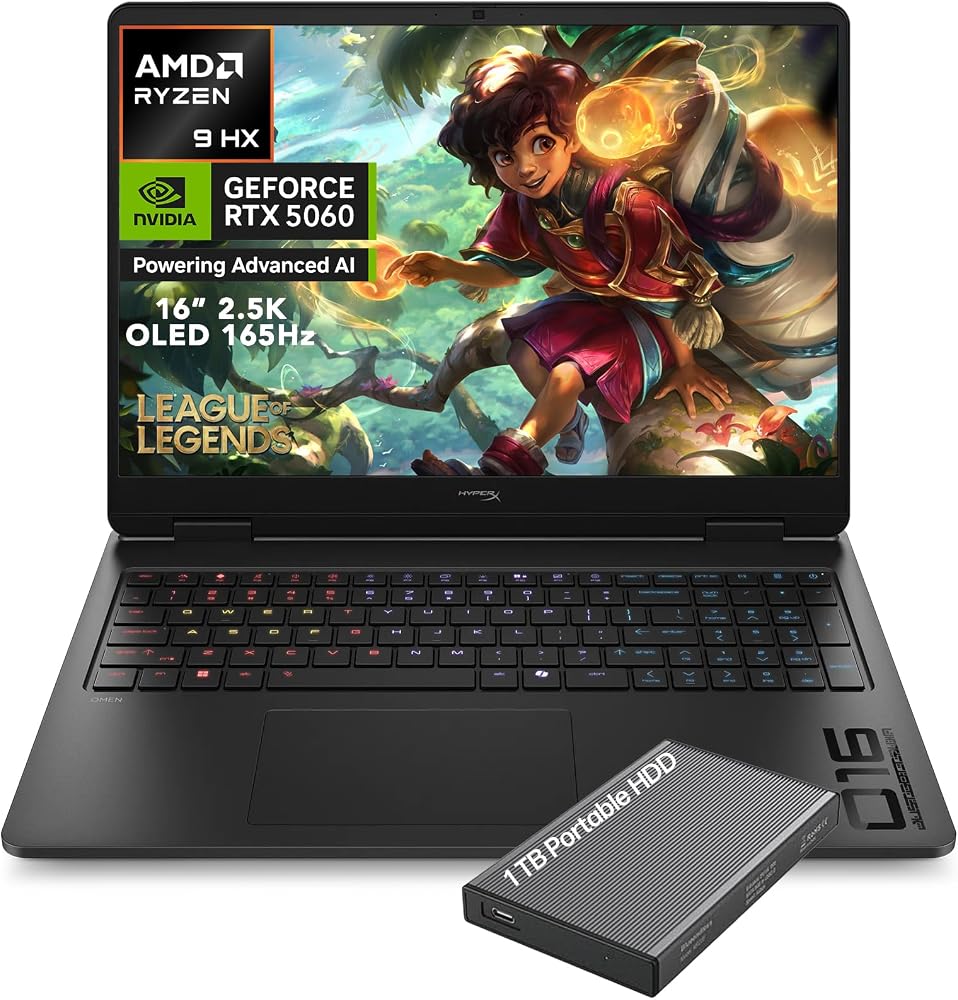
msi Vector 16 HX Gaming Laptop 16" WUXGA IPS 144Hz Intel 20-core Ultra 7 255HX 64GB DDR5 1TB SSD GeForce RTX 5070 Ti (Up to 992 Tops) RGB B
MSI Vector 16 HX 64GB suits a game developer who builds scenes, runs containers and edits media at one desk. Its 64GB DDR5 memory is the most here, paired with 20 cores from an Intel Core Ultra 7 255HX. The trade-off is a 6 pound body, the heaviest listed, that keeps the workstation near its dock.
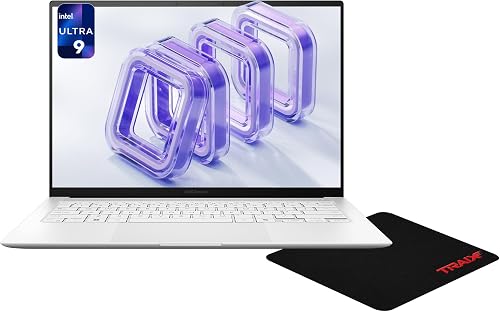
ASUS Zenbook S14 Laptop, Intel Ultra 9-386H, 32 GB LPDDR5X RAM, 1 TB PCIe SSD, 14" 3K (2880x1800) Touchscreen 120Hz, Intel Graphics
ASUS Zenbook S14 Ultra 9 Pro suits a front end developer who reviews designs in cafes and client rooms. Its 14-inch OLED touchscreen peaks at 1100 nits, the brightest listed figure, at 2880 x 1800. The trade-off is integrated Intel graphics when your side projects turn into heavy game scenes.

Dell XPS 14 Premium Laptop 14.5" 3.2K OLED Touch, Ultra 7 255H, 16GB/1TB
Dell XPS 14 3.2K OLED suits a design engineer who pairs pixel perfect screens with docked desk work. Its 14.5-inch 3200 x 2000 OLED touchscreen is the sharpest listed here for code and layout reviews. The trade-off is 16GB LPDDR5X memory when containers and emulators stack up during a build.

msi Prestige 16 Intel Evo Laptop, 16" WQXGA Display, Intel Ultra 7 155H, 32GB RAM, 2TB SSD, Fingerprint Reader, Backlit KB, Numeric KP
MSI Prestige 16 Ultra 7 2TB suits a full stack developer who archives repos, assets and test data locally. Its 2TB PCIe NVMe SSD is the most storage here, beside a 2560 x 1600 IPS screen. The trade-off is Windows 11 Home, the sole Home edition here, for company tools built on Pro.

Lenovo ThinkBook 16 Gen 8 Laptop, Intel Core 5 210H, 16GB DDR5, 512GB SSD
Lenovo ThinkBook 16 Gen 8 suits a company developer who values call privacy and steady desk networking. Its FHD 1080p camera carries a privacy shutter, the sole one here, above dual array microphones. The trade-off is a 512GB SSD, so repos and emulator images need steady pruning at home.

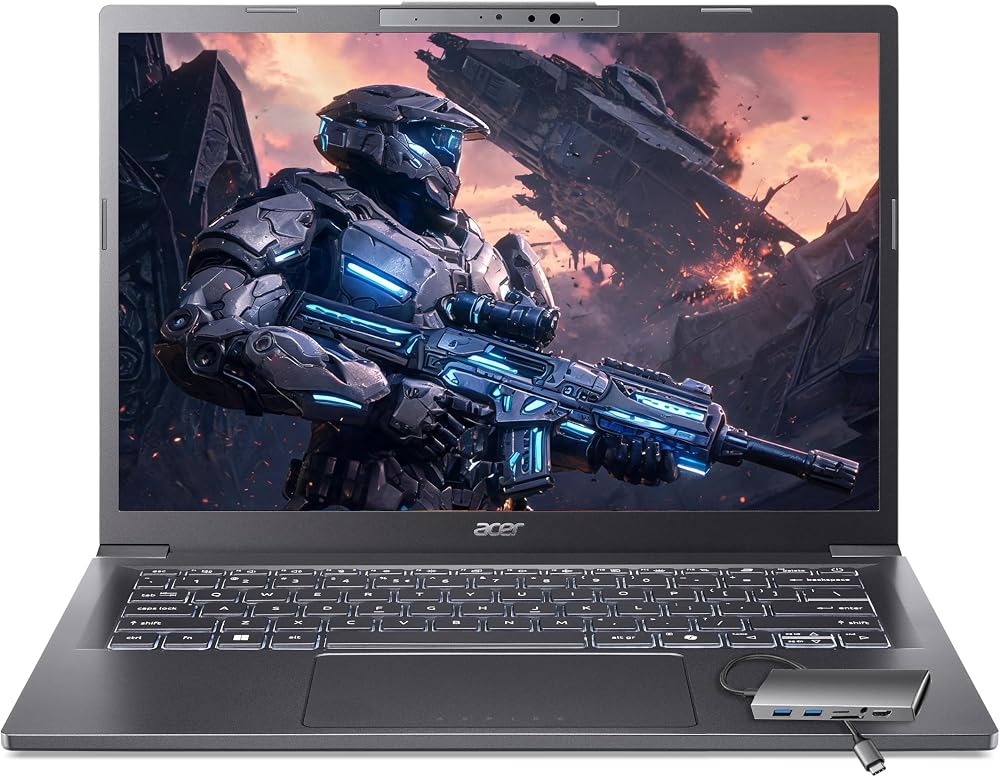
Acer Aspire 14 Portable Laptop 14" WUXGA IPS Touchscreen (100% sRGB) Intel Octa-core Ultra 9 288V (Up to 48 NPU Tops) 32GB RAM 1TB SSD for
Acer Aspire 14 Ultra 9 32GB suits a mobile developer who docks at client desks and reviews touch layouts. Its two USB-C ports run at 40Gbps with 100W Power Delivery for docks and fast drives. The trade-off is a 1920 x 1200 panel when your design reviews want a sharper stage.
In-Depth Reviews
1. What should developers verify first?
Toolchain support comes first, and the MSI Vector 16 HX 64GB answers with the most memory and cores listed for stacked work.
Windows 11 Pro runs on five picks here for WSL and Hyper-V work. The MSI Prestige 16 Ultra 7 2TB stands apart as the sole Home edition in the group.
2. How do screens and docks change daily work?
The Dell XPS 14 3.2K OLED pairs the sharpest listed screen with three Thunderbolt 4 ports for a two monitor desk.
Review trips favor the ASUS Zenbook S14 Ultra 9 Pro, the lightest listed at 2.8 pounds with the brightest listed panel.
3. MSI Vector 16 HX 64GB: Best Overall
The MSI Vector 16 HX 64GB has an Intel Core Ultra 7 255HX with 20 cores, NVIDIA GeForce RTX 5070 Ti graphics, 64GB of DDR5 memory and a 1TB SSD, with a 16-inch WUXGA screen at 144Hz. MSI Vector 16 HX 64GB suits a game developer who builds scenes, runs containers and edits media at one desk. Its 64GB DDR5 memory is the most here, paired with 20 cores from an Intel Core Ultra 7 255HX. The trade-off is a 6 pound body, the heaviest listed, that keeps the workstation near its dock.
4. ASUS Zenbook S14 Ultra 9 Pro: Best Travel Screen Pick
The ASUS Zenbook S14 Ultra 9 Pro has an Intel Core Ultra 9 386H with 16 cores, integrated Intel graphics, 32GB of LPDDR5X memory and a 1TB PCIe SSD, with a 14-inch 2880 x 1800 OLED touchscreen at 120Hz. ASUS Zenbook S14 Ultra 9 Pro suits a front end developer who reviews designs in cafes and client rooms. Its 14-inch OLED touchscreen peaks at 1100 nits, the brightest listed figure, at 2880 x 1800. The trade-off is integrated Intel graphics when your side projects turn into heavy game scenes.
5. Dell XPS 14 3.2K OLED: Best Sharp Dock Pick
The Dell XPS 14 3.2K OLED has an Intel Core Ultra 7 255H with 16 cores, Intel Arc graphics, 16GB of LPDDR5X memory and a 1TB PCIe NVMe SSD, with a 14.5-inch 3200 x 2000 OLED touchscreen. Dell XPS 14 3.2K OLED suits a design engineer who pairs pixel perfect screens with docked desk work. Its 14.5-inch 3200 x 2000 OLED touchscreen is the sharpest listed here for code and layout reviews. The trade-off is 16GB LPDDR5X memory when containers and emulators stack up during a build.
6. MSI Prestige 16 Ultra 7 2TB: Best Library Desk Pick
The MSI Prestige 16 Ultra 7 2TB has an Intel Core Ultra 7 155H with 16 cores and 22 threads, integrated Intel graphics, 32GB of RAM and a 2TB PCIe NVMe SSD, with a 16-inch 2560 x 1600 IPS screen. MSI Prestige 16 Ultra 7 2TB suits a full stack developer who archives repos, assets and test data locally. Its 2TB PCIe NVMe SSD is the most storage here, beside a 2560 x 1600 IPS screen. The trade-off is Windows 11 Home, the sole Home edition here, for company tools built on Pro.
7. Lenovo ThinkBook 16 Gen 8: Best Shutter Desk Pick
The Lenovo ThinkBook 16 Gen 8 has an Intel Core 5 210H with 8 cores and 12 threads, 16GB of DDR5 memory and a 512GB SSD, with a 16-inch 1920 x 1200 IPS screen. Lenovo ThinkBook 16 Gen 8 suits a company developer who values call privacy and steady desk networking. Its FHD 1080p camera carries a privacy shutter, the sole one here, above dual array microphones. The trade-off is a 512GB SSD, so repos and emulator images need steady pruning at home.
8. Acer Aspire 14 Ultra 9 32GB: Best Port Ready Pick
The Acer Aspire 14 Ultra 9 32GB has an Intel Core Ultra 9 288V, Intel Arc 140V graphics, 32GB of RAM and a 1TB SSD, with a 14-inch 1920 x 1200 IPS touchscreen. Acer Aspire 14 Ultra 9 32GB suits a mobile developer who docks at client desks and reviews touch layouts. Its two USB-C ports run at 40Gbps with 100W Power Delivery for docks and fast drives. The trade-off is a 1920 x 1200 panel when your design reviews want a sharper stage.
How to Choose a Developer Creator Laptop
Toolchain first
Check toolchain support for your chip and system before you rank any spec.
Container room
Count containers and emulators at peak, then size memory above that load.
Repo storage
Leave drive room for repos, assets and emulator images beyond the first year.
Pro tools
Pick Pro when WSL, Hyper-V or company tools sit in your daily stack.
Quick Setup Tips
- Chip support: Match your toolchain's chip notes to the processor named on the product page.
- Memory load: Add up your peak container and emulator load at home before you choose.
- Dock match: Count the monitors on your desk, then match the Thunderbolt ports listed.
- Repo growth: Measure your repos folder at home so the drive choice starts from real size.
- Check the live price: use the buttons to see the current price on Amazon
Frequently Asked Questions
What is the best creator laptop for software development for most developers?
The MSI Vector 16 HX 64GB is the top pick, with 64GB of memory and 20 cores for stacked builds.
Which pick has the most storage?
The MSI Prestige 16 Ultra 7 2TB holds 2TB on its PCIe NVMe SSD, the most storage here for repos and assets.
Which pick suits docked front end work?
The Dell XPS 14 3.2K OLED pairs the sharpest listed screen with three Thunderbolt 4 ports for docked work.
Which pick guards camera privacy?
The Lenovo ThinkBook 16 Gen 8 is the sole pick with a camera privacy shutter for company calls.
Which picks run Windows 11 Pro?
Five picks run Windows 11 Pro here. They include the MSI Vector 16 HX 64GB and the ASUS Zenbook S14 Ultra 9 Pro. The Dell XPS 14 3.2K OLED and the Lenovo ThinkBook 16 Gen 8 join them. The Acer Aspire 14 Ultra 9 32GB completes the group.
The Bottom Line
The best creator laptop for software development pick for most shoppers is the MSI Vector 16 HX 64GB. Choose the ASUS Zenbook S14 Ultra 9 Pro when bright screens and light carry lead your review trips. Choose the MSI Prestige 16 Ultra 7 2TB when repo room and color coverage anchor your desk.